Malaysia’s MOT aims to improve safety and reduce congestion by ending informal express bus stops in central Kuala Lumpur.
LaLaport Identified as Key Hub for KL Express Bus Operations
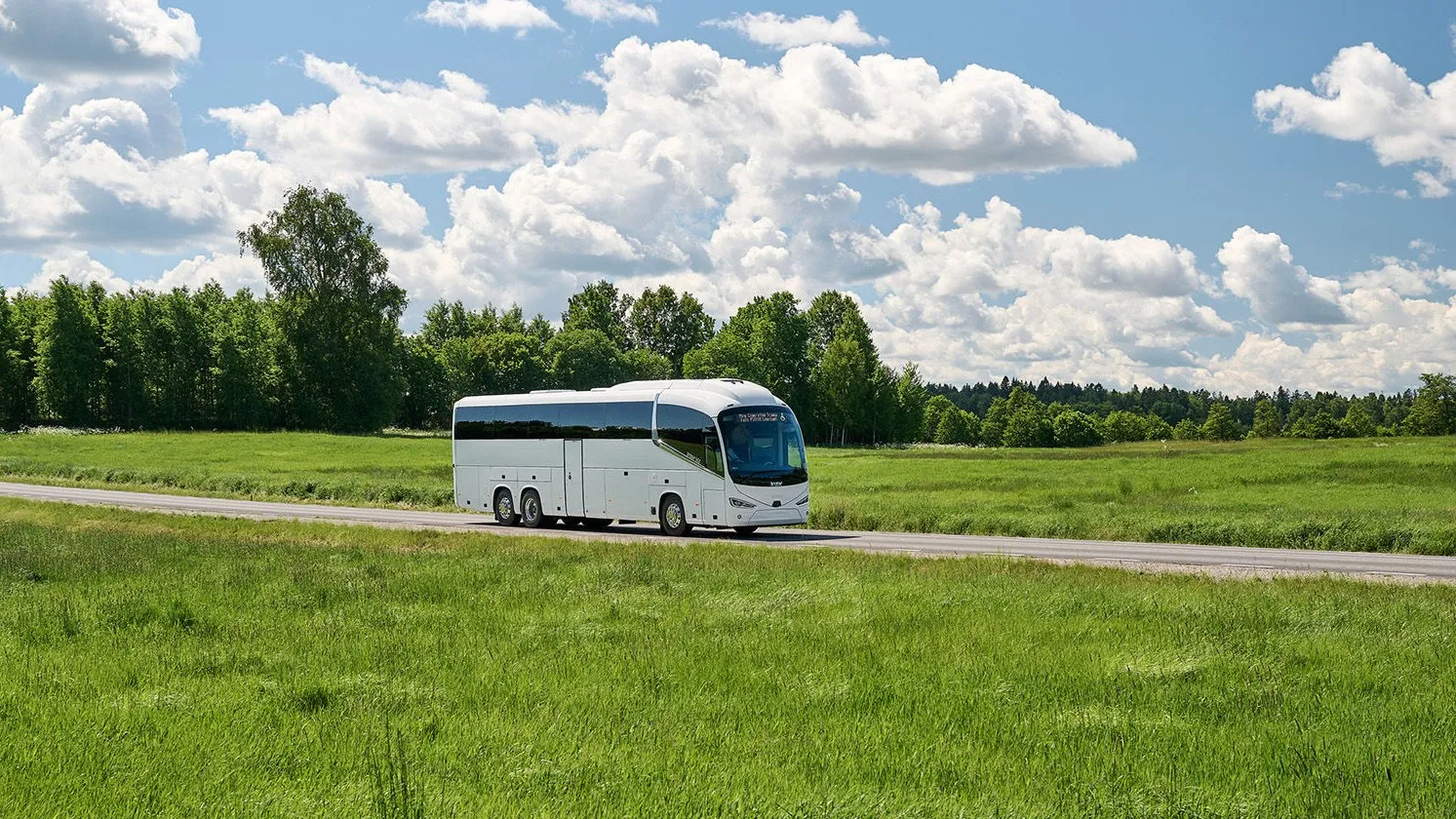
The Malaysian Ministry of Transport (MOT) is moving to end the informal roadside pick-up and drop-off practice used by express buses in central Kuala Lumpur, as it pushes for a more regulated hub-based system centred on facilities such as the LaLaport Transport Hub.
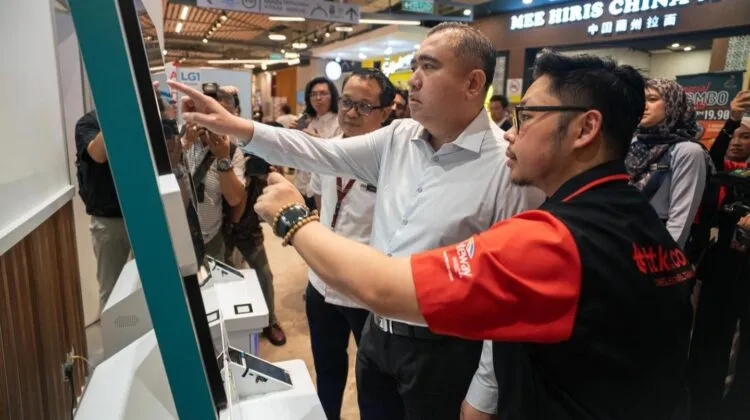
During a working visit to the LaLaport Transport Hub last week, Transport Minister Anthony Loke said express buses travelling between Kuala Lumpur and Singapore had long been operating from unsuitable locations.
“So far, express buses travelling back and forth between Kuala Lumpur and Singapore have usually stopped at several locations that we consider unsuitable. In front of hotels, in front of shopping centres, places without safe bus bay facilities,” Loke said.
He cited locations such as Berjaya Times Square and Chorus Hotel, saying the areas posed both traffic and safety risks.
“These two areas are not suitable because the roads near Times Square are heavily congested every day. Many cars and buses are stopping at the roadside, causing traffic congestion. Most importantly, it is unsafe for passengers to board and alight,” he said.
Following feedback from various parties, the MOT then identified LaLaport as a suitable alternative due to its infrastructure and connectivity.
“It is close to the city centre and has proper bus bay facilities, and it can be developed as a public transport hub; not only for buses, but also integrated with the LRT and monorail systems, which already have a station connected to LaLaport, namely Hang Tuah Station,” Loke explained.
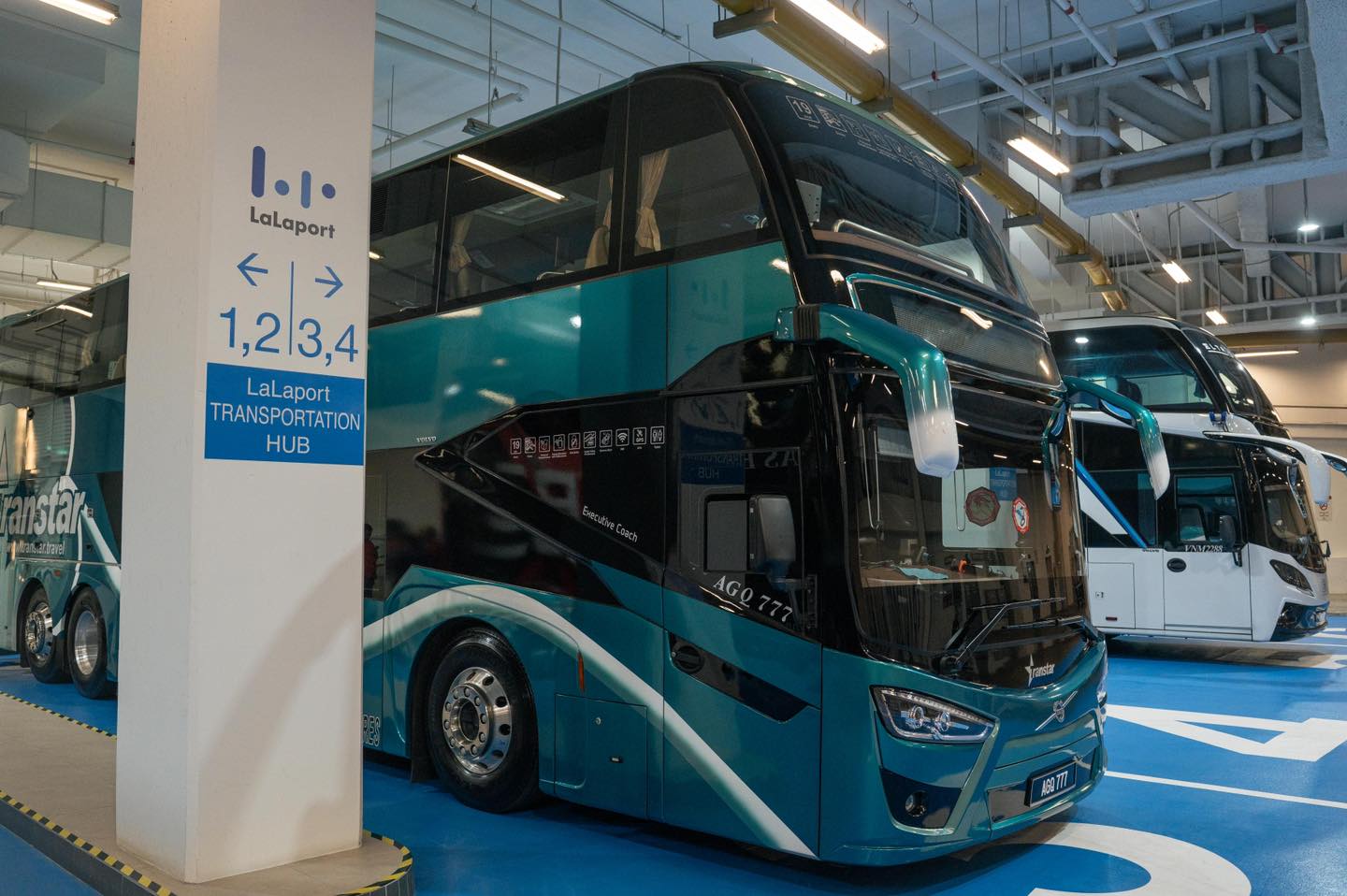
According to the Land Public Transport Agency (APAD), the LaLaport Transport Hub is operated by Asia Success Resources Sdn Bhd, the same company that manages the transport terminal at KLIA Terminal 2. The facility is designed to support the movement of public transport users, particularly tourists, providing safety, efficiency, and comfort.
Facilities at the hub include a centralised ticketing system, 11 bus bays comprising six departure bays and five arrival bays, access to LRT and monorail services, and a Bus On Demand (BOD) service linking LaLaport with Bukit Bintang and Mont Kiara.
Currently, the hub only serves sightseeing buses and BOD services, in line with the area’s development concept and current needs. However, the MOT is planning to make LaLaport available for express buses as well to end roadside pick-up and drop-off that poses dangers and causes congestion.
“What we hope for is a facility that is comfortable and safe for passengers. There is air-conditioning before they board the bus, and places where they can walk around. This hub is already able to begin operations; we just need to license it,” Loke said. “We want them to complete all the facilities and obtain approvals from DBKL (Kuala Lumpur City Hall), and APAD is ready to license them once all these requirements are met.”
Loke also said bus operators had previously been given a three-month grace period to continue operating at existing locations without enforcement action, but, at the same time, he also reiterated that the government will not be forcing operators to use LaLaport because there are other alternatives as well.
“Previously, we gave three months to bus operators to remain at their existing locations, without issuing summonses, but we want them to relocate once this hub is ready. We are not forcing them. They can look for other locations as well. They can go to TBS, they can go to Gombak, and later, we also want to look at IOI City Mall or One Utama. There are many options,” the minister said.
“We want them to stop, board and alight passengers only in areas that we consider safe. That is the most important thing,” he concluded.