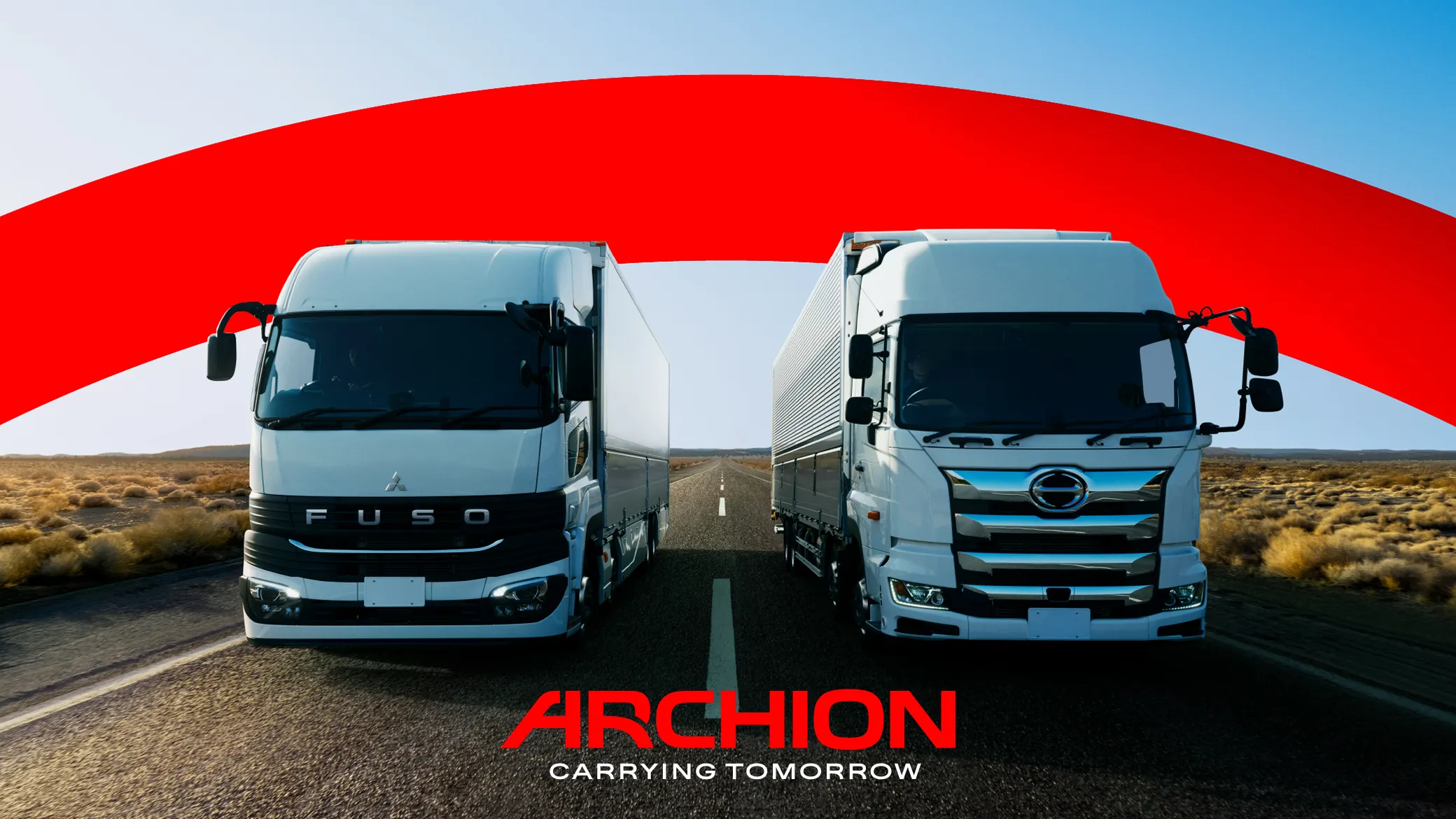
Isuzu consolidates heavy-duty output at Ageo Plant ahead of a 2028 joint truck platform launch co-developed with UD Trucks and Volvo Group.
Isuzu and UD Trucks Restructure Japanese Production Ahead of Shared Platform Launch
Isuzu Motors Limited (Isuzu) has announced that it will transfer its heavy-duty truck production from the company’s Fujisawa Plant to UD Trucks‘ Aego Plant. Operations at the new site are scheduled to commence in 2028 following an investment of approximately ¥40 billion (around £191.6 million).
The transfer, announced on February 12, 2026, is part of a broader re-organisation of Isuzu‘s domestic production ahead of the planned 2028 launch of a common medium-heavy-duty truck platform being jointly developed by Isuzu and UD Trucks, leveraging on technologies provided by the Volvo Group. The physical transfer of production is scheduled to begin in June 2026.
The Ageo Plant, operated by UD Trucks and located in Ageo City, Saitama Prefecture, will become the Isuzu Group‘s flagship site for heavy-duty trucks, while the Fujisawa Plant in Kanagawa Prefecture will be designated the flagship site for medium- and light-duty trucks.
“In alignment with this product and technology strategy, Isuzu has determined that consolidating heavy-duty truck production at the Ageo Plant—where there is demonstrated capabilities in the development and production of heavy-duty trucks—is the optimal choice from the perspectives of quality, cost efficiency, and supply stability,” the manufacturer stated.
The Ageo Plant will transition from single-shift to two-shift operations, with a target annual production capacity of approximately 25,000 units covering heavy-duty truck models for Japan and Asian markets. Main capital expenditures will include the construction of a new paint shop and the modernisation of existing plant facilities.
The re-organisation forms part of Isuzu‘s mid-term business plan, “ISUZU Transformation – Growth to 2030“, which targets sales of more than 850,000 vehicles and revenue exceeding ¥5 trillion (around £24 billion) from existing business by 2030, alongside a supply chain capable of supporting one million units.
“By optimising its two domestic vehicle production sites, the Isuzu Group will maximise the competitiveness of its heavy-, medium-, and light-duty truck lineup, while enhancing supply stability and improving cost competitiveness. Isuzu will continue to build a robust and sustainable production structure, contributing to the development of social infrastructure that supports global logistics,” the company concluded.