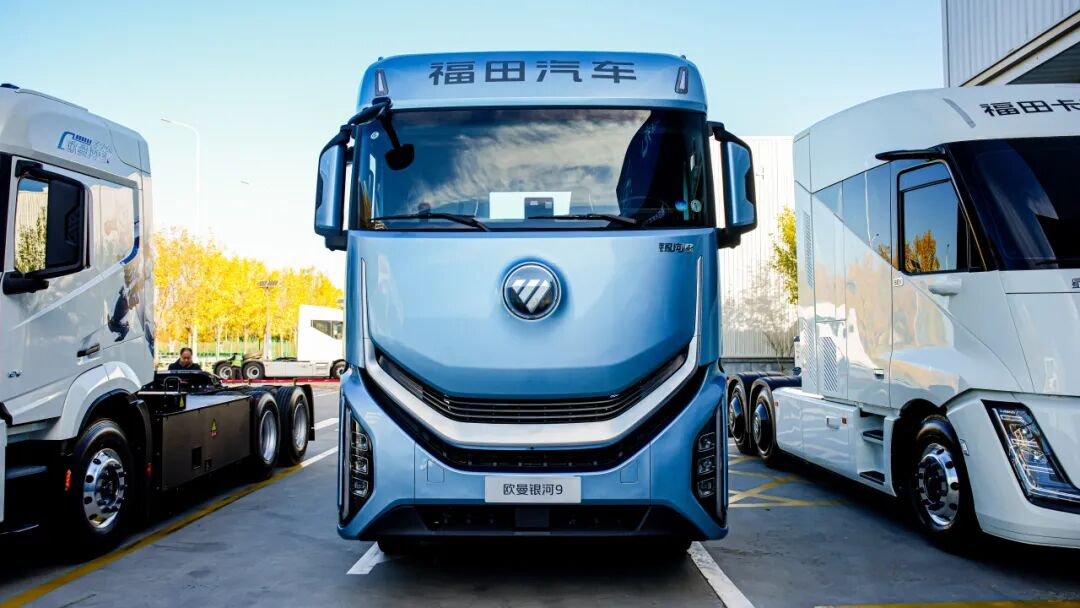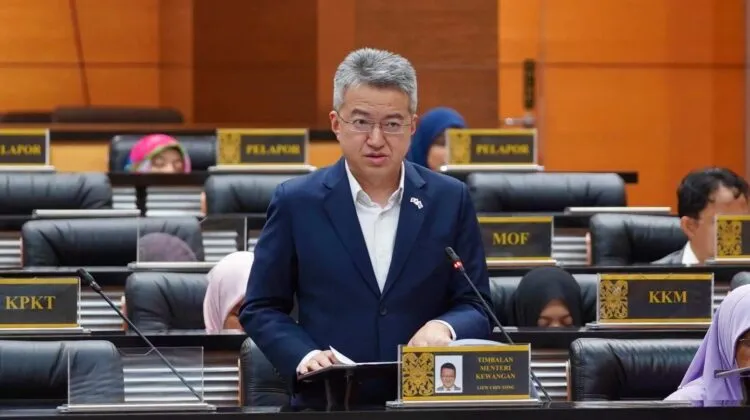
The Malaysian government is prepared to study a proposal to introduce a full sales tax exemption in phases for electric prime movers and other commercial EVs, Deputy Finance Minister Liew Chin Tong confirmed in Parliament’s Special Chamber on Nov 18, 2026, in response to a question from Lee Chuan How, MP for Ipoh Timur.
Ipoh Timur MP Pushes 36-Month Sales Tax Exemption to Cut Diesel Subsidies via Electric Prime Movers
In Budget 2027, the government has laid out several incentives aimed at accelerating electrification of commercial vehicles. Companies purchasing electric commercial vehicles are eligible for the Green Investment Tax Allowance (GITA). This allows them to offset qualifying capital expenditure against statutory income at 100 per cent, with the allowance deductible against up to 70 per cent of statutory income.
Companies undertaking green and sustainable technology projects, including EV charging stations, and those purchasing green technology assets for their own use are also eligible for an Investment Tax Allowance of up to 100 per cent, extended until 31 December 2030.
However, Lee argued that these incentives are not enough on their own. “GITA is good, but it is something calculated against profits, and that only works if you are profitable. If you are not profitable, it burns,” he said. The fundamental problem, he said, is that electric commercial vehicles still attract 10 per cent sales tax at the point of purchase.
Lee proposed a full 36-month sales tax exemption on electric prime movers, buses, vans, panel MPVs, terminal tractors, forklifts, and lorries for commercial use, with eligibility starting from one vehicle so that small operators can benefit alongside large fleets. The exemption, he said, should be tied to a coordinated phase-out of subsidised diesel.
Lee also flagged that a conditional exemption for prime movers already exists under Item 65 of Schedule A, but its practical reach remains limited. He then urged the government to publish tax treatment by vehicle category and close the eligibility gaps.
In the fiscal case, Lee argued that each diesel prime mover consumes approximately 60,000 litres of fuel annually. At the RM3.02 per litre gap between unsubsidised diesel and the subsidised Diesel Control System rate, the avoided subsidy per vehicle upon full conversion to electric would amount to approximately RM181,200 per year.
Against a one-time sales tax of RM130,000 on an electric vehicle valued at RM1.3 million, the exemption pays for itself within the first year. “Every year of waiting has a cost to the country,” Lee said, noting that a one-year delay across 100 vehicles sustains an estimated RM18.12 million in excess diesel subsidies at the current price gap.
On the grid dependency argument often raised against EV adoption, Lee maintained that a transition from diesel to electric prime movers still delivers a net reduction in carbon emissions. “If we truly assess the net carbon emission savings from transitioning from ICE diesel engines to electric prime movers, the savings are still there,” he said.
Despite stating that the government is open to studying the proposal, Liew did not commit when pressed for a concrete timeline. “The government is prepared to study this proposal with the Ministry of Transport and MITI to ensure the intended objectives are achieved,” he said, offering no further elaboration.